-
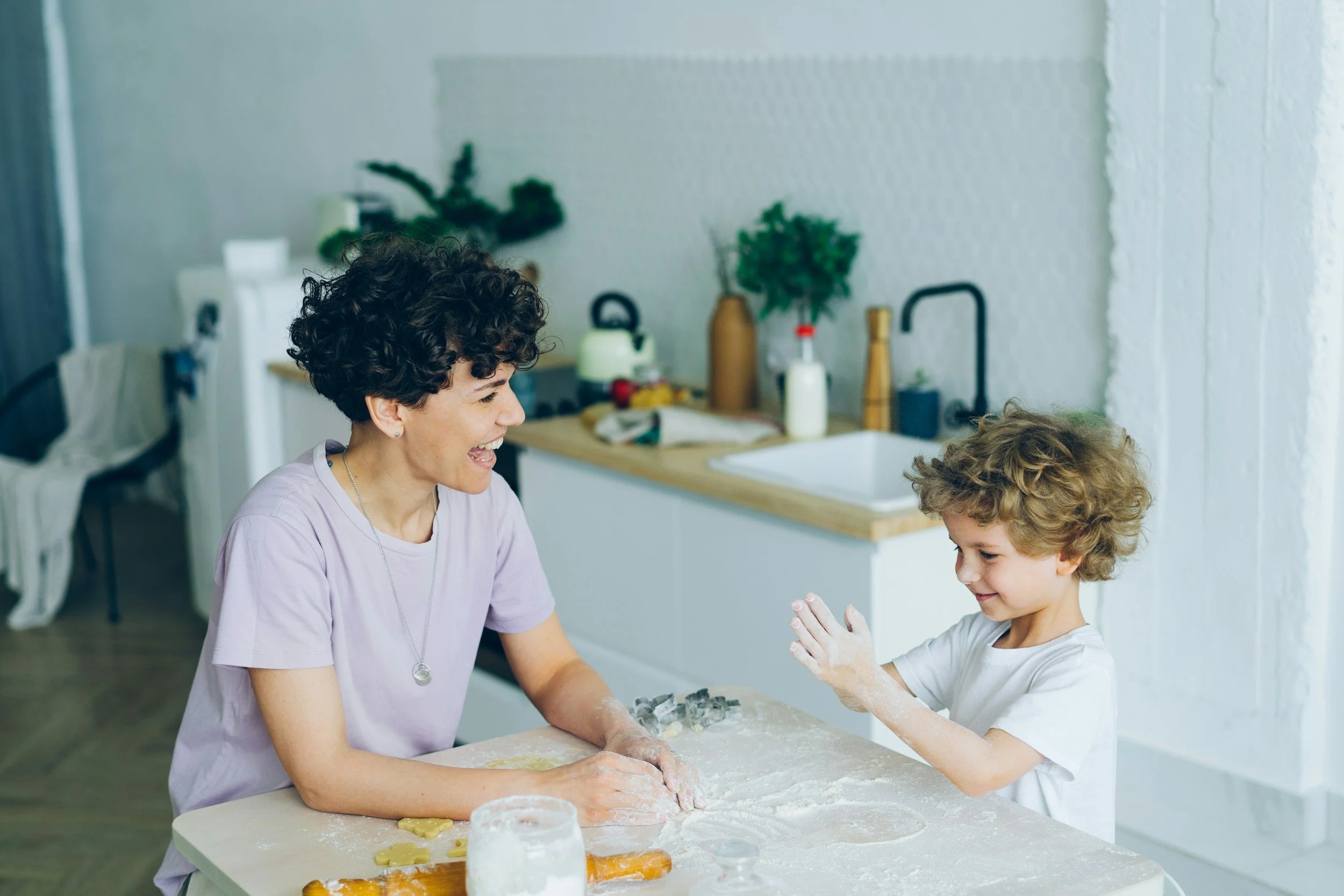
Children are only free to explore and learn when they first feel safe, secure and supported in their environment (both the physical environment and the relationships within that environment).
The social/emotional development of the child is of the utmost importance.
Children in our school are working to develop a basic trust in their environment, a sense of autonomy, and the initiative to go forth into the world.

-
Children learn within the context of relationships.
Children have the richest learning experiences when their own ideas and inventions, curiosity, initiative, and creativity are encouraged by a supportive adult.
Learning is a lifelong process, not a product. We all continue to learn throughout our lives.
-
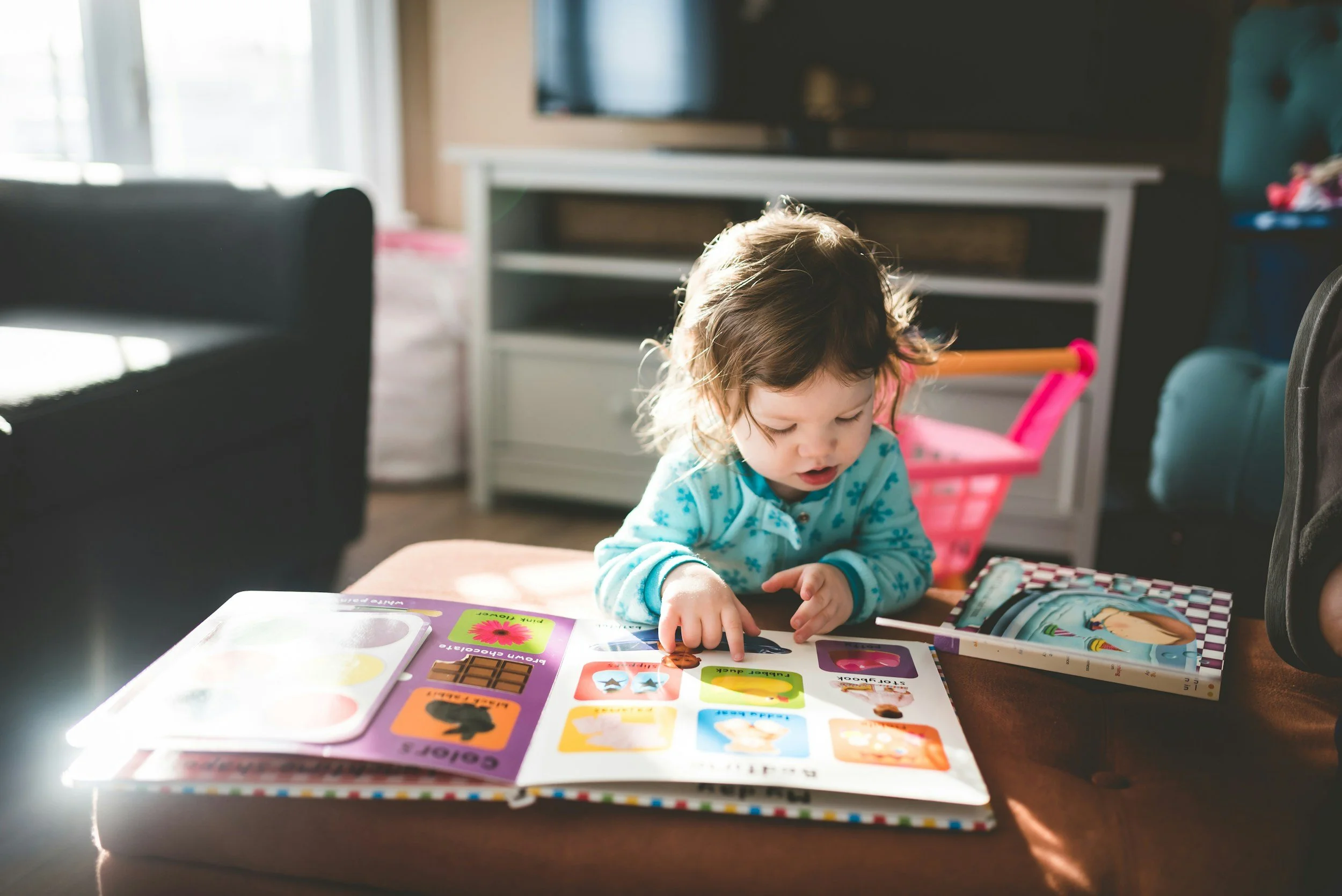
We have a deep respect for each child as a unique individual, no matter what the age.
We have a strong belief that each child is perfect just as they are in that moment and a deep trust that they will develop in their own way, in their own time.
At Kids By The Sea, we are influenced most strongly by the theories of Erik Erikson, Jean Piaget, and Lev Vygotsky. The approaches that speak most deeply to us are R.I.E and the Reggio Emilia approach.
-
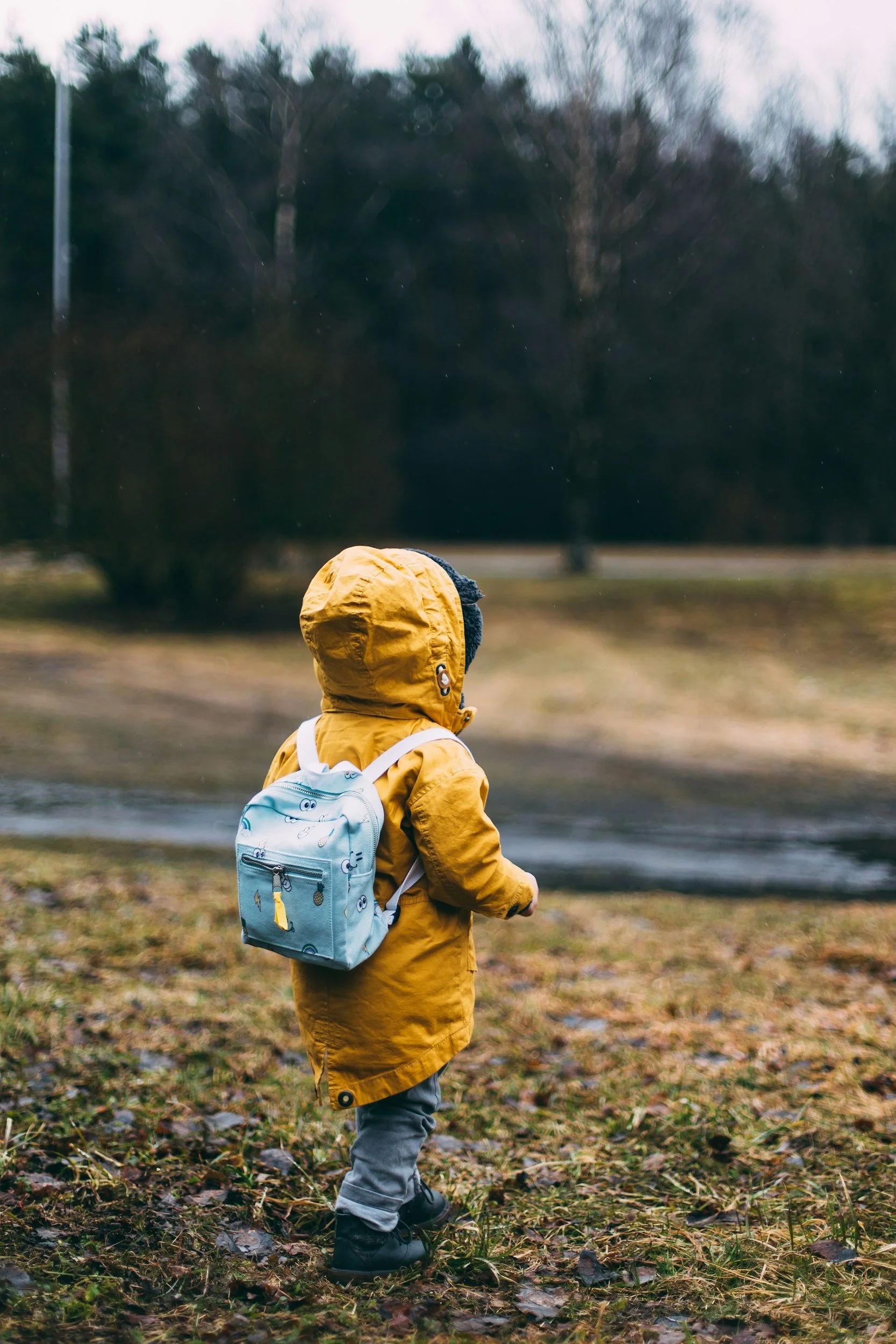
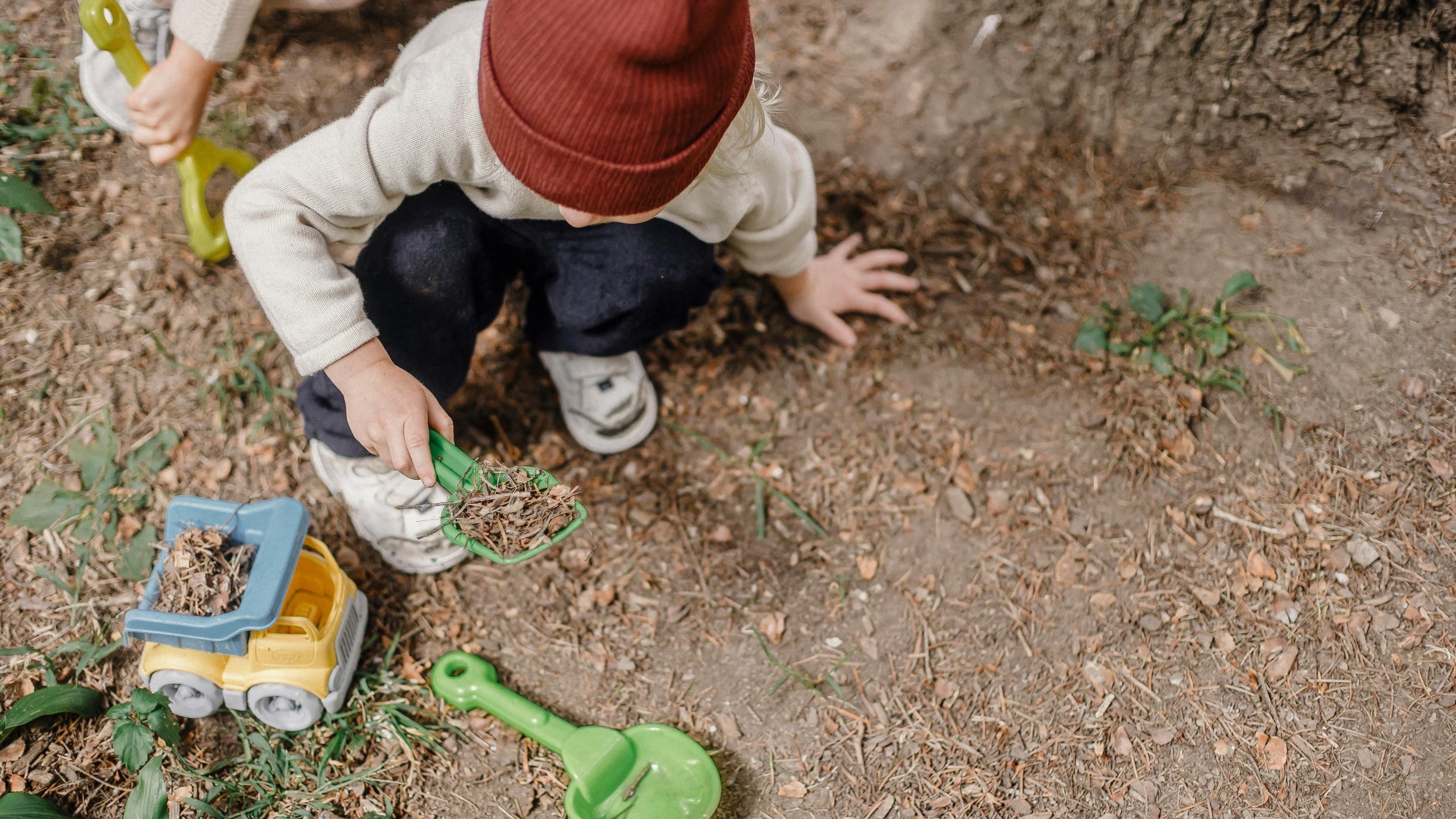
Children learn best through hands-on-experiences.
Children learn by actively engaging and exploring their environment.
Children have an innate desire to learn.
-
Environment as a third teacher: We believe the environment plays an active role in the education of the child. The environment should be ever-changing and changeable based on the interests and developmental level of the children. We also believe that we all learn best, and enjoy places most when they are aesthetically beautiful and inspire creativity.
Role of the teacher: We believe the role of the teacher is first and foremost that of a learner alongside the child. We experience the same delight, wonder, curiosity, research, and critical thinking that a child does. In this way, we can guide the child and serve as a resource as we discover the world along with them. We also believe in the power of observation and documentation as a way of making learning visible.
Role of the child: We believe each child is a unique, amazing being filled with potential and that each child has an innate desire to learn. We have the utmost respect for the individual child (no matter what age or ability level) and work only to build upon their natural curiosity of the world.
Connection to family: We believe in creating authentic relationships built on mutual respect with every family that comes through our door. We believe that, together, we are doing the most important job there is in the world: raising children. We work hard to support each other and believe the child's learning experience is much richer when there is a strong connection between school and home.
Theory & Approaches
-
Children are only free to explore and learn when they first feel safe, secure and supported in their environment (both the physical environment and the relationships within that environment).
The social/emotional development of the child is of the utmost importance.
Children in our school are working to develop a basic trust in their environment, a sense of autonomy, and the initiative to go forth into the world.
-
Children learn within the context of relationships.
Children have the richest learning experiences when their own ideas and inventions, curiosity, initiative, and creativity are encouraged by a supportive adult.
Learning is a lifelong process, not a product. We all continue to learn throughout our lives.
-
We have a deep respect for each child as a unique individual, no matter what the age.
We have a strong belief that each child is perfect just as they are in that moment and a deep trust that they will develop in their own way, in their own time.
At Kids By The Sea, we are influenced most strongly by the theories of Erik Erikson, Jean Piaget, and Lev Vygotsky. The approaches that speak most deeply to us are R.I.E and the Reggio Emilia approach.
-
Children learn best through hands-on-experiences.
Children learn by actively engaging and exploring their environment.
Children have an innate desire to learn.
-
Environment as a third teacher: We believe the environment plays an active role in the education of the child. The environment should be ever-changing and changeable based on the interests and developmental level of the children. We also believe that we all learn best, and enjoy places most when they are aesthetically beautiful and inspire creativity.
Role of the teacher: We believe the role of the teacher is first and foremost that of a learner alongside the child. We experience the same delight, wonder, curiosity, research, and critical thinking that a child does. In this way, we can guide the child and serve as a resource as we discover the world along with them. We also believe in the power of observation and documentation as a way of making learning visible.
Role of the child: We believe each child is a unique, amazing being filled with potential and that each child has an innate desire to learn. We have the utmost respect for the individual child (no matter what age or ability level) and work only to build upon their natural curiosity of the world.
Connection to family: We believe in creating authentic relationships built on mutual respect with every family that comes through our door. We believe that, together, we are doing the most important job there is in the world: raising children. We work hard to support each other and believe the child's learning experience is much richer when there is a strong connection between school and home.